




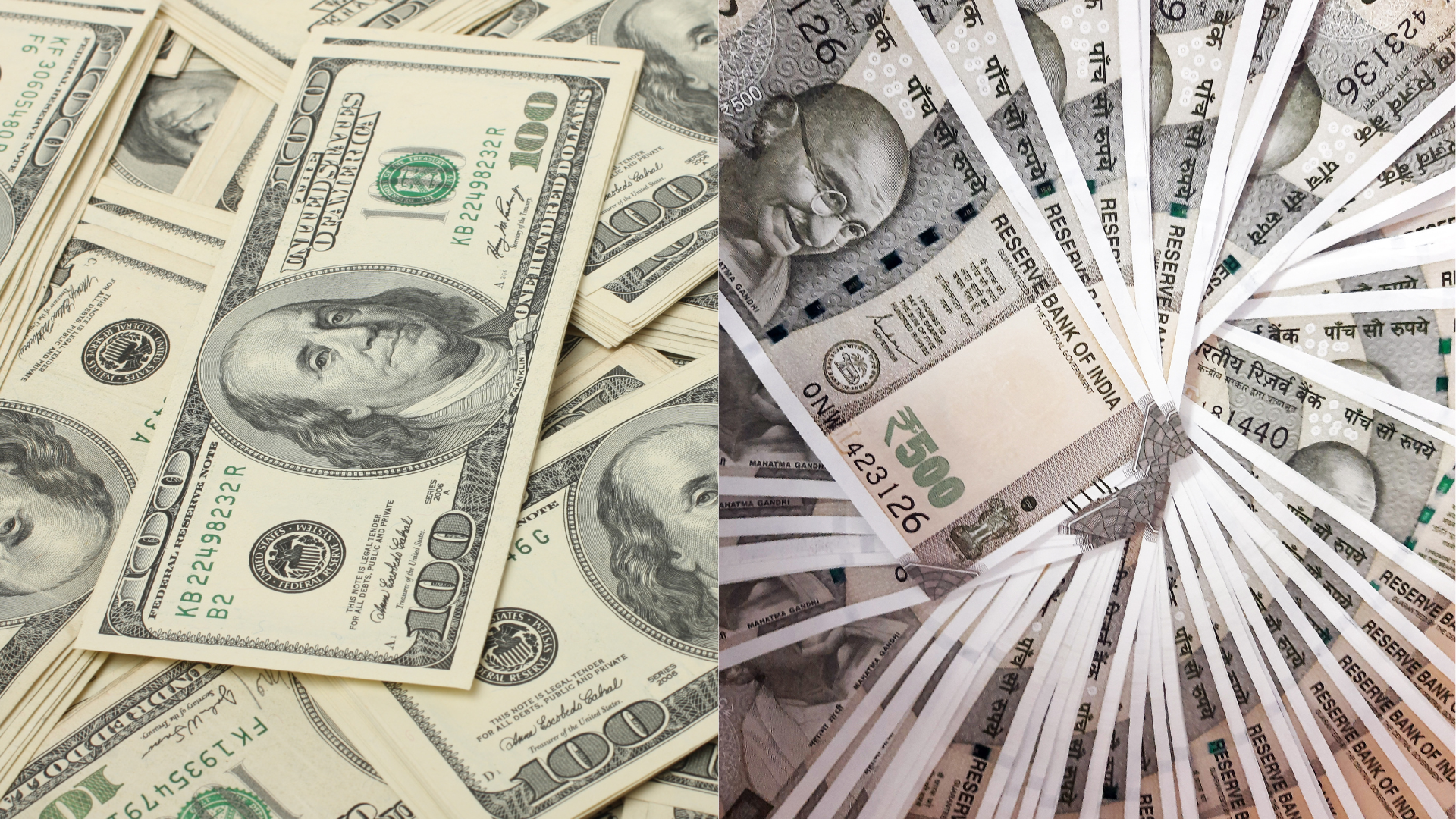

The Indian rupee continued to weaken against the U.S. dollar, with USD/INR climbing higher as demand for the greenback remained strong. A firm Federal Reserve policy outlook and global risk aversion have added pressure on emerging market currencies, keeping the rupee near its recent lows.
Investor sentiment remains tilted toward the dollar, with expectations that the Fed will keep interest rates elevated for longer than previously anticipated. Strong U.S. economic data has reinforced this view, reducing hopes for early rate cuts and bolstering the dollar’s appeal. As a result, the rupee has struggled to find support despite ongoing interventions by the Reserve Bank of India (RBI) to stabilize volatility.
Domestically, India’s trade deficit and rising oil prices have also contributed to the rupee’s weakness. Higher crude prices increase import costs, leading to more dollar demand from Indian importers and adding downward pressure on the local currency. While India’s economic fundamentals remain strong, external factors continue to weigh on market sentiment.
Meanwhile, foreign fund outflows have also played a role in driving USD/INR higher. With global investors shifting towards dollar-denominated assets, emerging markets, including India, have seen capital outflows that further weaken the rupee. The RBI remains cautious, managing liquidity to prevent excessive currency fluctuations.
Looking ahead, traders will closely monitor upcoming U.S. economic data and any signals from the Fed regarding monetary policy shifts. Unless there is a significant reversal in global risk appetite, the rupee may remain under pressure, with the dollar retaining its dominance in the near term.