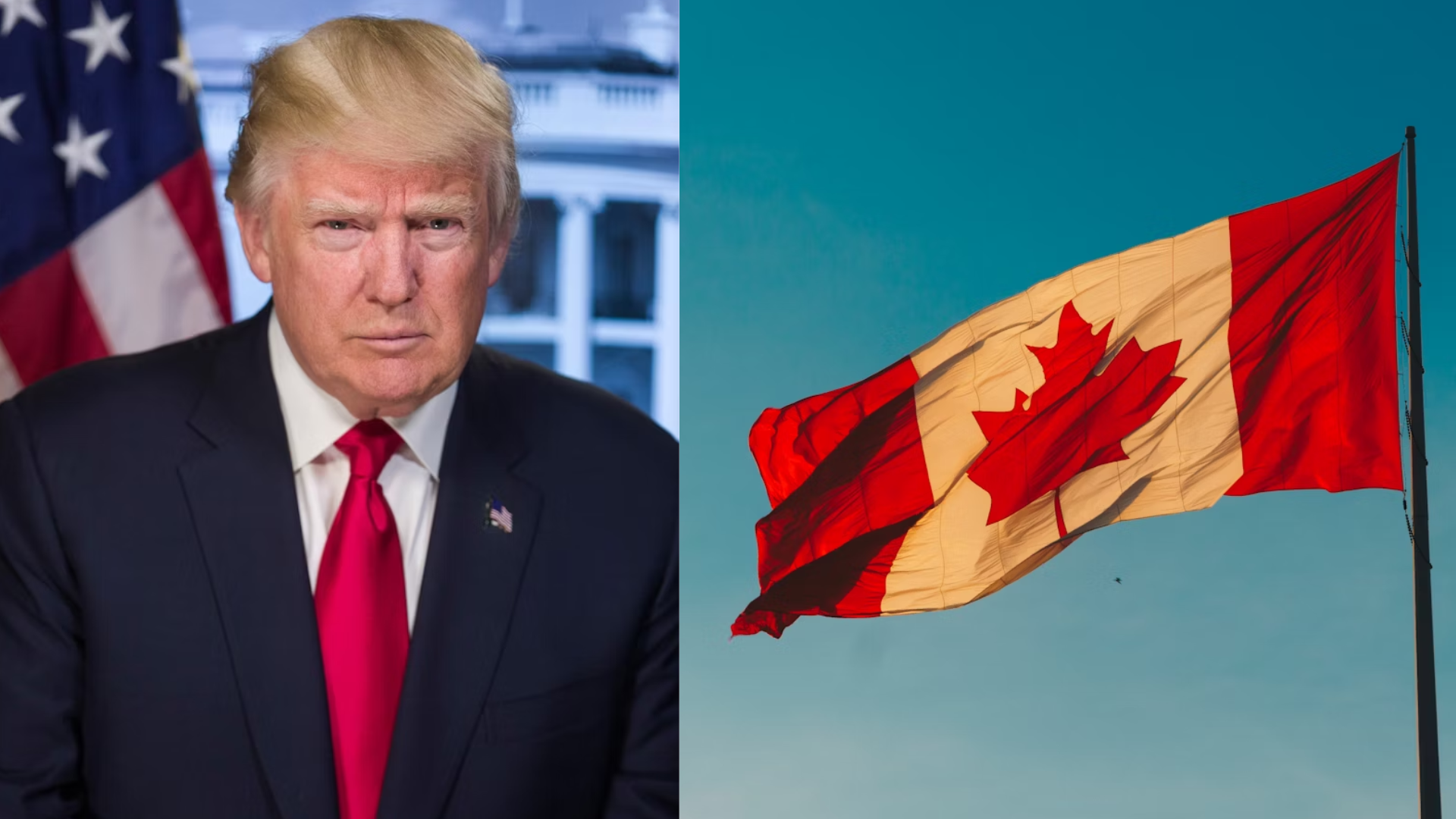







The US dollar remains under scrutiny as traders focus on the potential market impact of Inauguration Day. Short-term bias suggests heightened volatility, with investors weighing the likelihood of significant policy announcements from the incoming administration. This uncertainty has contributed to cautious positioning across currency markets.
Recent weakness in the dollar index reflects broader concerns about U.S. economic policy clarity under new leadership. Expectations of fiscal stimulus and changes to trade agreements remain key drivers, but the lack of concrete details has dampened confidence. As a result, the greenback has struggled to maintain upward momentum in recent sessions.
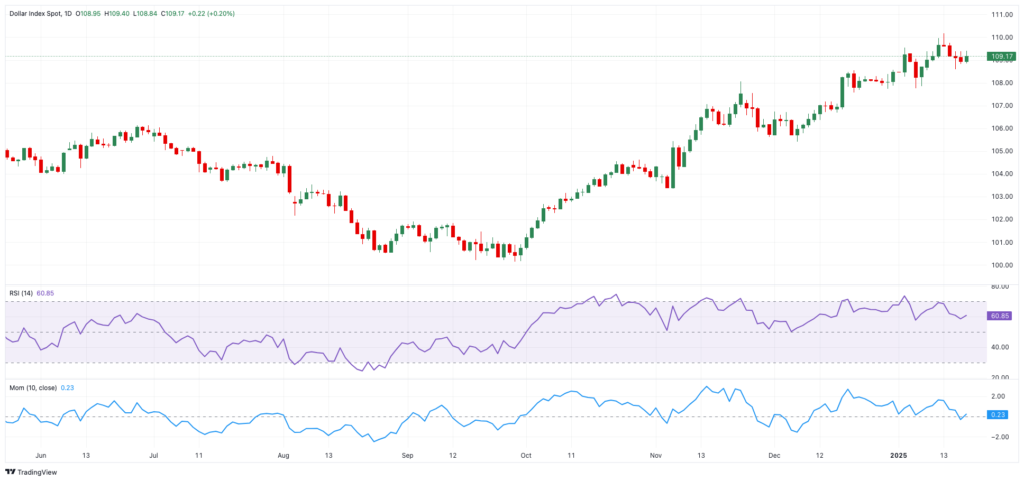
Thin trading conditions have further amplified market fluctuations, leaving the US dollar vulnerable to external influences. Risk-sensitive currencies, such as the Australian and Canadian dollars, have gained ground as traders seek alternatives amid the greenback’s decline. Meanwhile, safe-haven assets like the yen and Swiss franc have also attracted attention.
Looking ahead, the US dollar’s trajectory will depend on the administration’s initial policy steps and their reception by global markets. Key areas of focus include fiscal stimulus, trade strategies, and Federal Reserve commentary, all of which could reshape short-term expectations for the greenback.