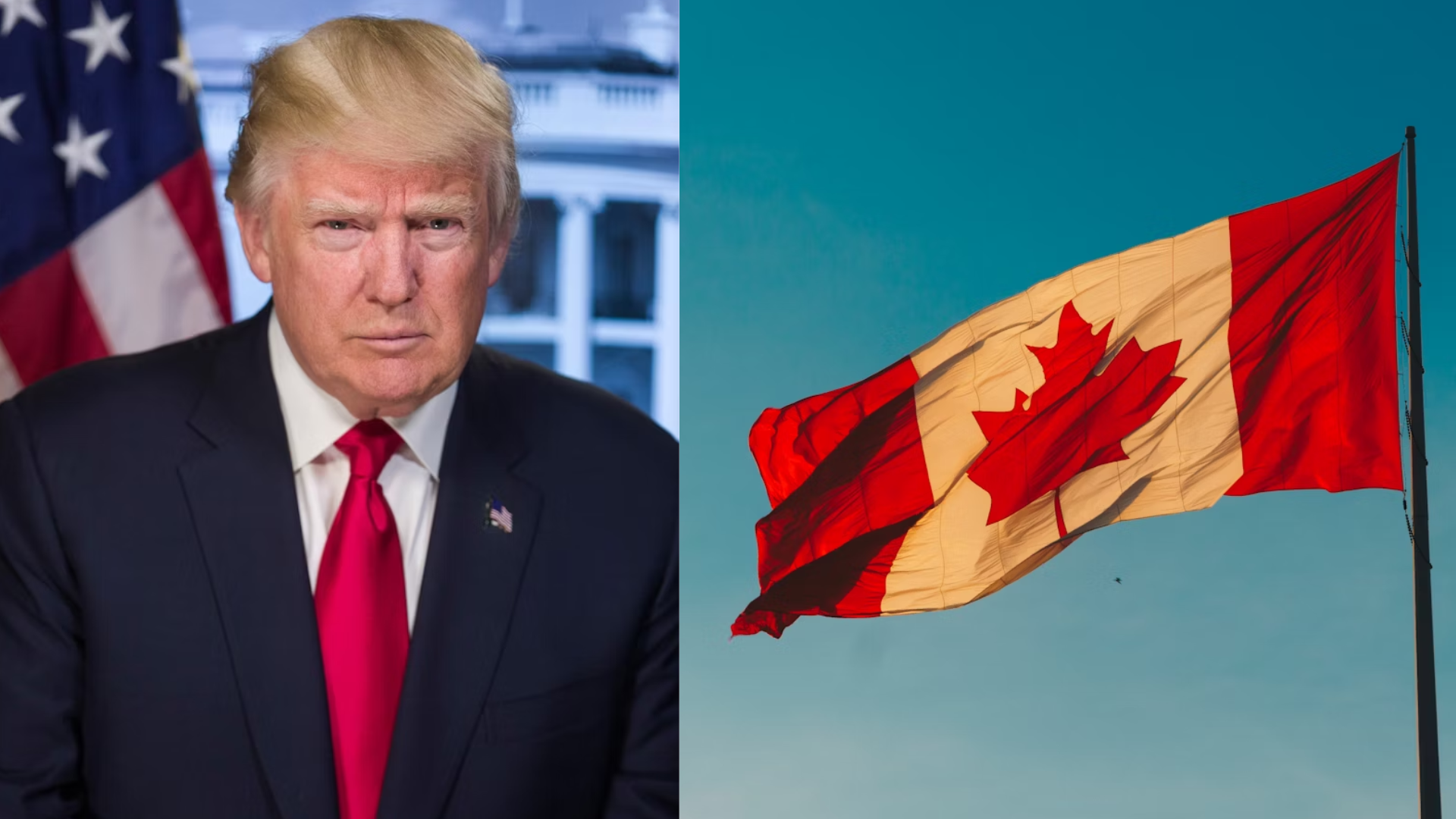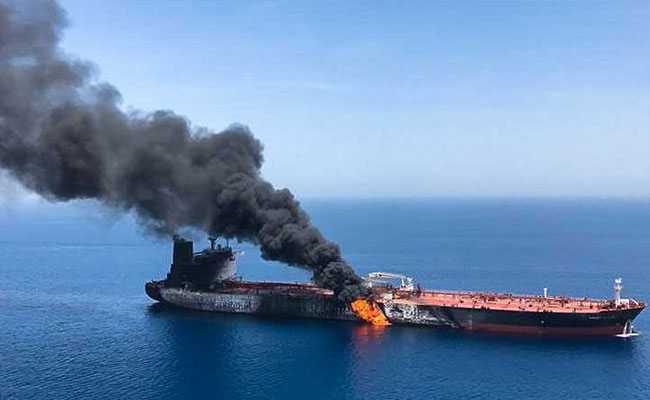




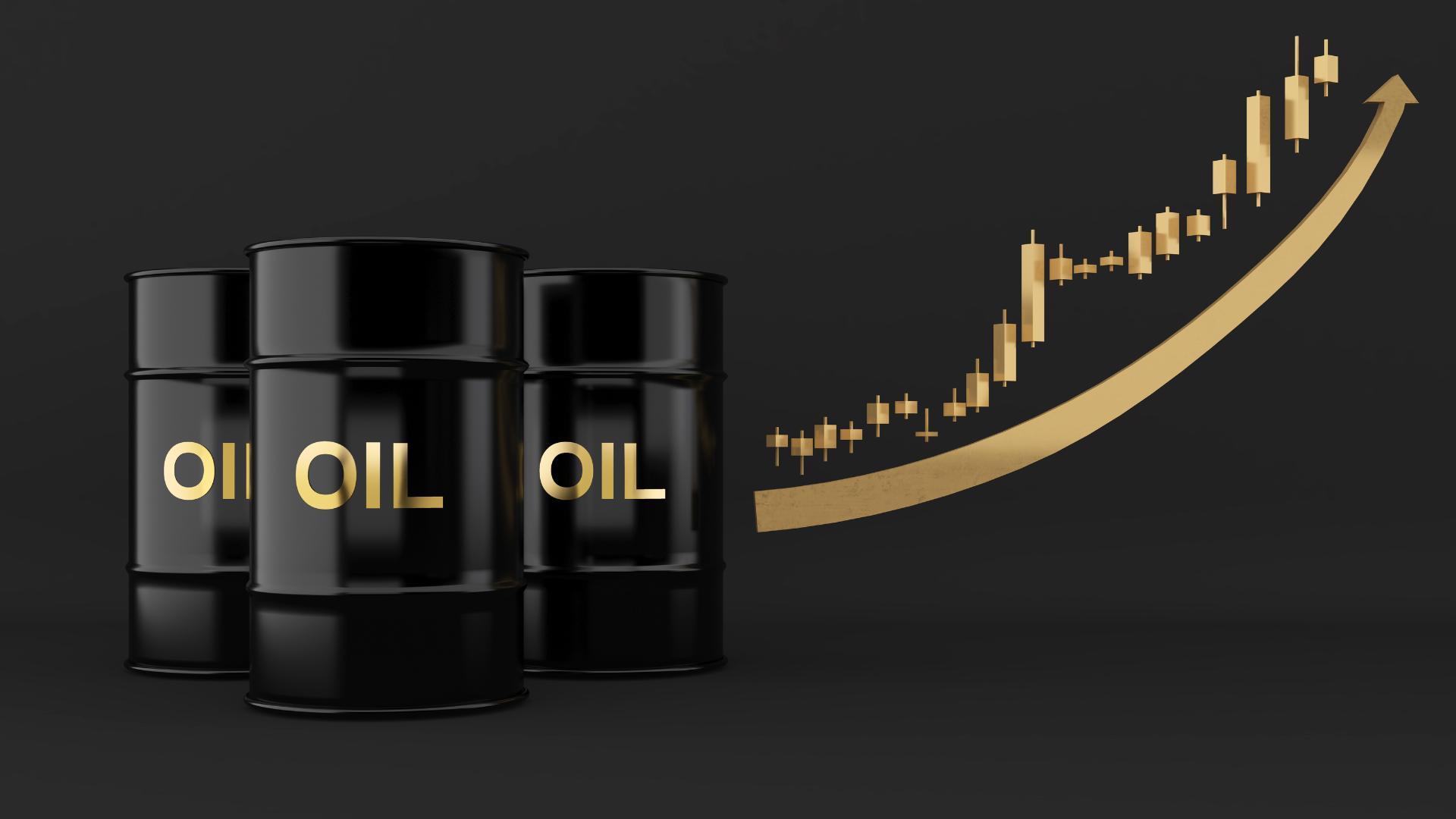

Oil prices climbed as the U.S. revoked Chevron’s license to operate in Venezuela, heightening concerns over global supply disruptions. The move, part of the Trump administration’s broader sanctions strategy, effectively cuts one of the last remaining links between the U.S. and Venezuela’s oil sector, sending crude prices higher.
The decision to cancel Chevron’s waiver adds pressure on Venezuela’s already struggling oil industry, which has been grappling with years of underinvestment and U.S. sanctions. With limited access to critical equipment and international buyers, the country’s crude output could face further declines, tightening global supply at a time when markets are already navigating geopolitical uncertainties.
Oil traders reacted swiftly to the news, with Brent crude and WTI futures rising amid concerns over supply constraints. Analysts note that while Venezuela’s oil production has been dwindling for years, Chevron’s presence provided a small but significant stabilizing factor in the market. The abrupt halt of operations introduces fresh volatility and adds to ongoing concerns about production levels in other key regions.
The broader impact of the decision extends beyond oil markets. Chevron, one of the few Western firms still operating in Venezuela, now faces the challenge of winding down its activities, potentially incurring financial losses and further complicating U.S. relations with the South American nation. The move also underscores Washington’s hardline stance on Venezuelan President Nicolás Maduro’s government.
Global energy markets remain on edge as investors weigh the implications of restricted Venezuelan output. With OPEC+ nations managing production and geopolitical risks lingering in the Middle East, traders are watching for signs of further supply disruptions that could drive prices even higher.
As markets digest the latest policy shift, oil prices are expected to remain volatile in the near term. A continued reduction in Venezuelan exports could tighten supplies further, while any shifts in U.S. policy or OPEC+ production levels may influence the next major price movement.