




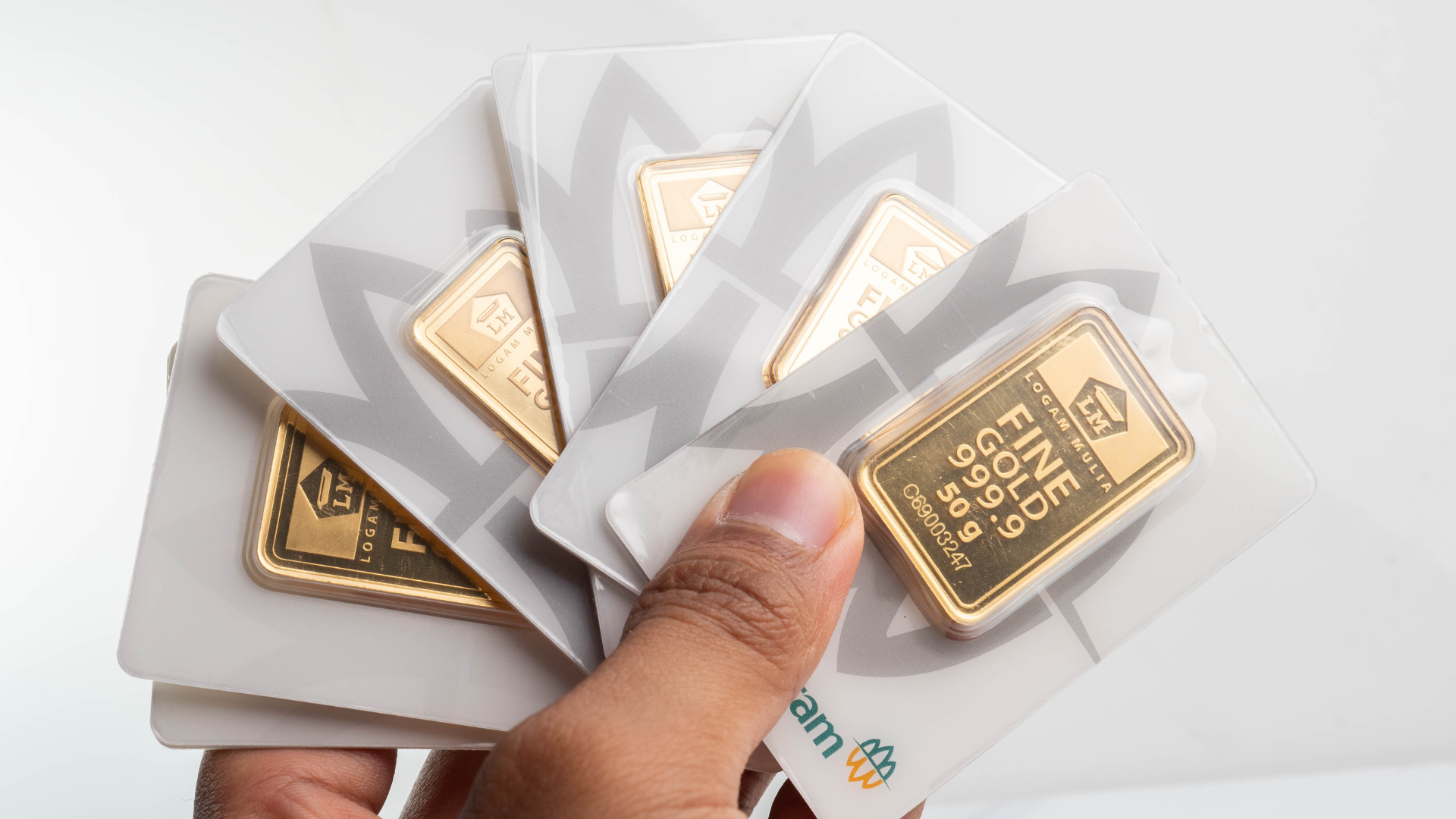

Gold prices remain near record highs, supported by weaker US economic data that has reinforced expectations of Federal Reserve rate cuts later this year. Investors have turned to the precious metal as a safe-haven asset, seeking protection against economic uncertainty and a softer dollar.
The latest US data suggests slowing growth and cooling inflation, raising speculation that the Fed could adopt a more accommodative stance in the coming months. Lower interest rates tend to boost gold’s appeal, as they reduce the opportunity cost of holding non-yielding assets like bullion.
At the same time, global economic concerns and geopolitical risks have added to gold’s strength. Investors continue to seek stability amid volatility in financial markets, with central banks also increasing their gold reserves as part of their long-term strategy to hedge against currency fluctuations.
The US dollar’s recent decline has further supported gold, making it more attractive for international buyers. As the greenback weakens, demand for the metal typically rises, helping prices remain elevated despite occasional profit-taking by traders.
Looking ahead, market participants are watching upcoming economic data and Federal Reserve statements for further clues on monetary policy. If signs of economic weakness persist, expectations for rate cuts may grow, providing additional support for gold prices. However, any unexpected hawkish signals from the Fed could slow the metal’s momentum.
For now, gold’s bullish trend remains intact, with investors closely monitoring global conditions to determine whether the rally has more room to run or if a short-term pullback is on the horizon.