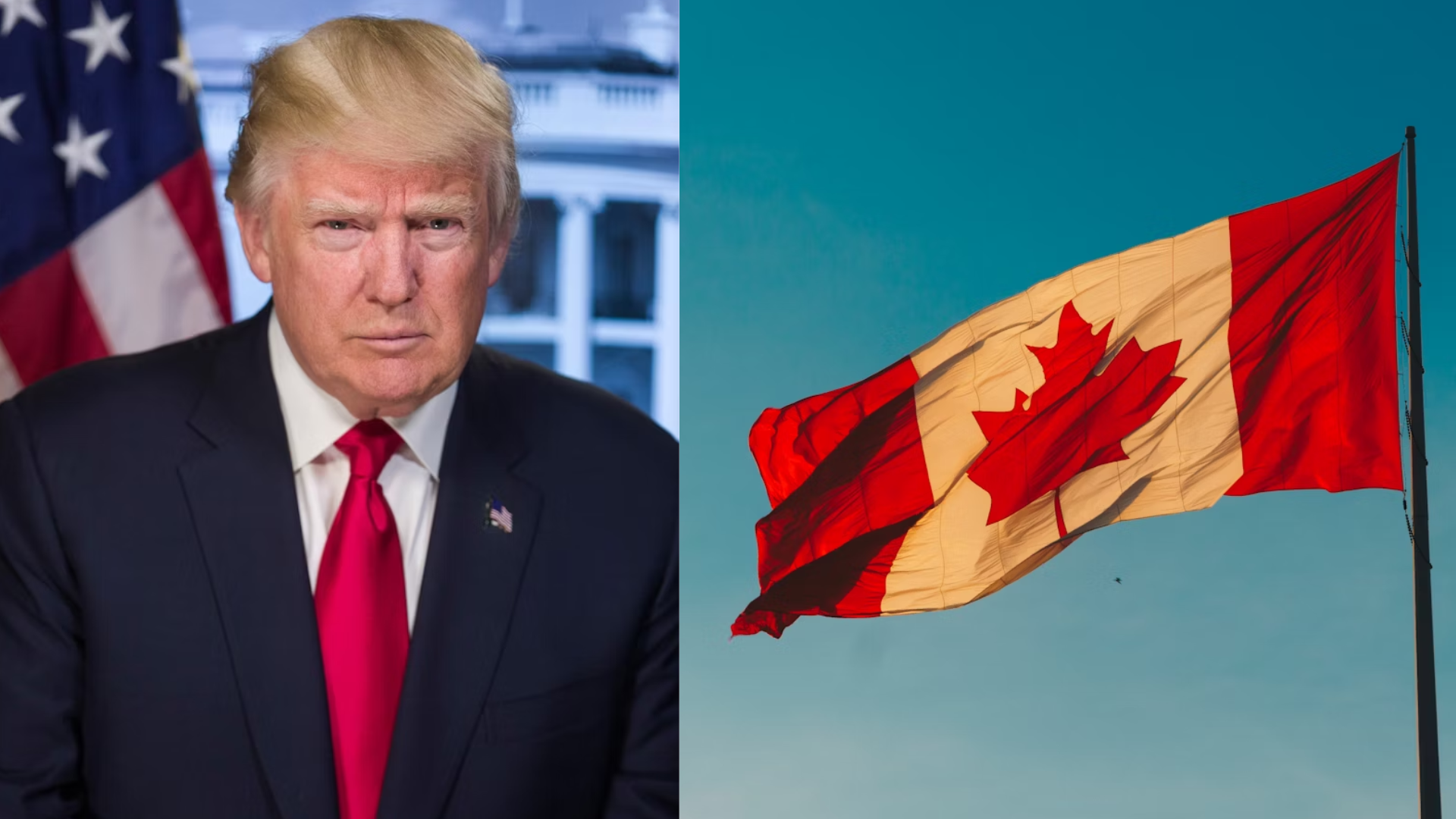







The U.S. dollar rebounded, supported by renewed speculation over Donald Trump’s trade policies, which fueled market concerns about potential tariff adjustments. Investors turned to the greenback as uncertainty over global trade and its economic impact pushed demand for safe-haven assets.
Reports indicate that Trump’s proposed tariff increases could lead to higher import costs, adding pressure on global trade flows. While markets remain cautious about the broader economic implications, the expectation of inflationary effects has strengthened the case for the Federal Reserve to keep rates elevated, supporting dollar strength.
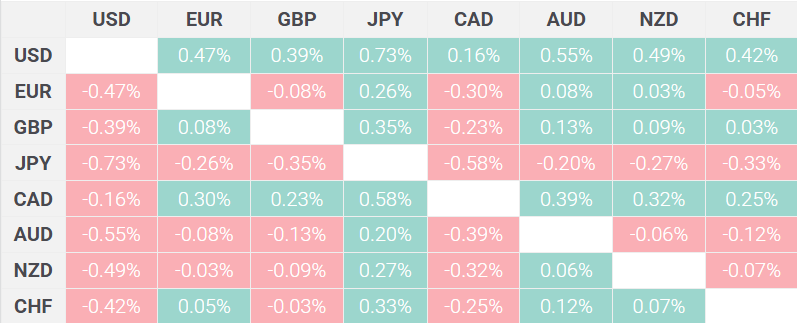
At the same time, traders are positioning ahead of upcoming U.S. economic data, with key inflation and labor market reports set to provide further clarity on the Fed’s policy outlook. A stronger-than-expected data release could reinforce expectations that the Fed will maintain a restrictive stance, adding further upside to the dollar’s momentum.
Despite the dollar’s rebound, some analysts warn that trade policy uncertainty could introduce volatility, especially if tariffs trigger retaliatory measures from major trading partners. Any escalation could weigh on global growth, leading to shifts in risk sentiment that may affect currency markets in unexpected ways.
For now, the dollar remains well-supported, with traders closely watching both tariff developments and U.S. economic releases for further direction. If upcoming data aligns with the Fed’s higher-for-longer rate approach, the greenback may extend its gains, keeping pressure on other major currencies.