





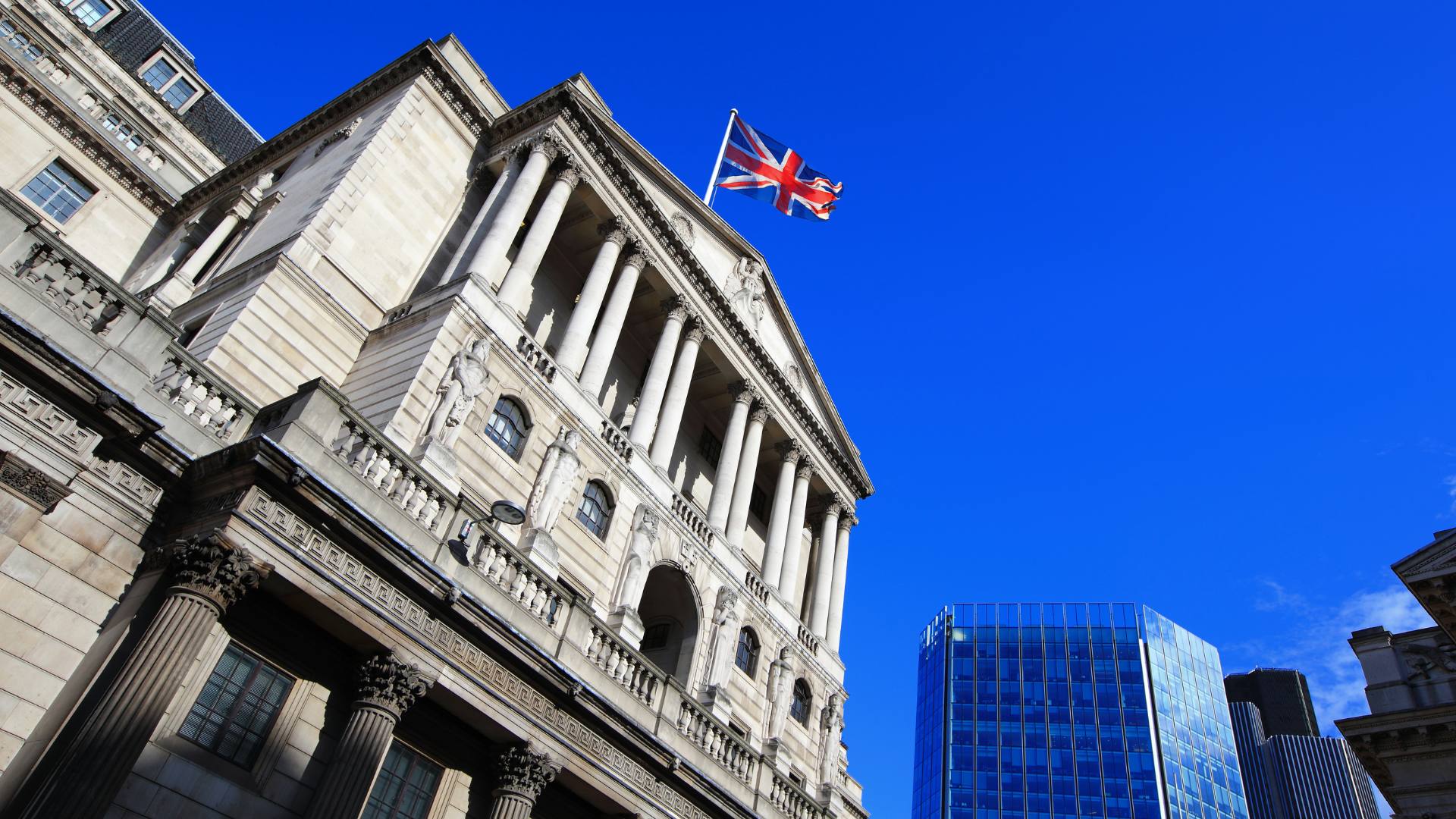

Bank of England (BoE) policymaker Catherine Mann signaled that inflationary pressures in the UK are easing, as businesses face reduced pricing power amid cooling demand. Speaking on the economic outlook, Mann noted that companies are finding it harder to pass higher costs onto consumers, suggesting a shift in the inflationary landscape. This development supports expectations that the central bank could take a less aggressive stance on future rate hikes.
The remarks come as UK inflation shows signs of moderation, with businesses adjusting pricing strategies in response to softer consumer demand. After a prolonged period of elevated costs driven by supply chain disruptions and wage growth, firms are now grappling with changing market conditions. Mann highlighted that as competitive pressures mount, businesses may be forced to absorb more costs rather than transfer them to end consumers.
Financial markets reacted cautiously, with investors assessing the BoE’s policy trajectory in light of moderating inflation risks. While some central bank officials have maintained a hawkish stance, arguing that rates should remain restrictive to ensure inflation stays in check, Mann’s comments hint at a potential policy recalibration. The weakening ability of firms to raise prices could lessen the urgency for further tightening.
Despite this shift, the BoE remains cautious about inflation’s persistence, particularly in the services sector, where wage pressures continue to play a role. Policymakers have emphasized the need to see sustained evidence of disinflation before considering rate cuts. The central bank’s next moves will likely depend on upcoming economic data, particularly wage growth and consumer spending trends.
With inflation expectations adjusting, market participants are recalibrating their outlook on BoE policy, with some anticipating a possible shift toward easing later in the year. However, risks remain, as any resurgence in commodity prices or unexpected supply shocks could reignite inflationary pressures, keeping policymakers on guard.
For now, the BoE is closely monitoring the evolving economic landscape, balancing inflation risks against growth concerns. Mann’s assessment suggests a changing dynamic in corporate pricing power, which could shape the central bank’s next steps in managing monetary policy.