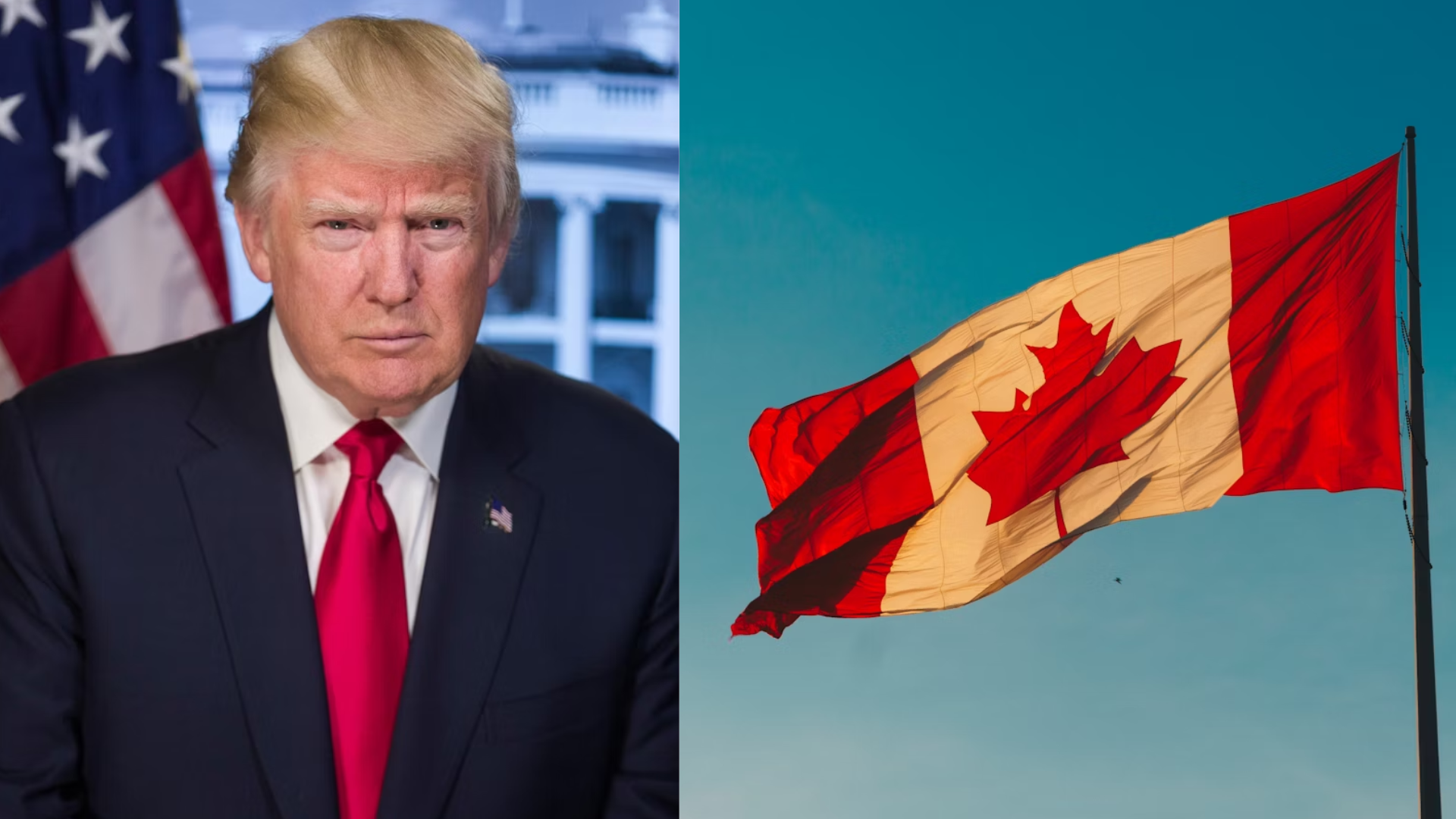






The Japanese yen weakened against the U.S. dollar as markets reacted to renewed speculation about Donald Trump’s trade policies, fueling demand for the greenback. Concerns over potential tariff hikes on imports from key trading partners, including Japan, added pressure on the yen as investors reassessed risk exposure.
Reports suggest Trump may push for higher tariffs on foreign goods, raising fears of trade disruptions that could impact global supply chains. This speculation lifted the U.S. dollar, as traders sought safety in the world’s reserve currency, while the yen—often viewed as a safe-haven asset—failed to benefit from broader risk aversion.
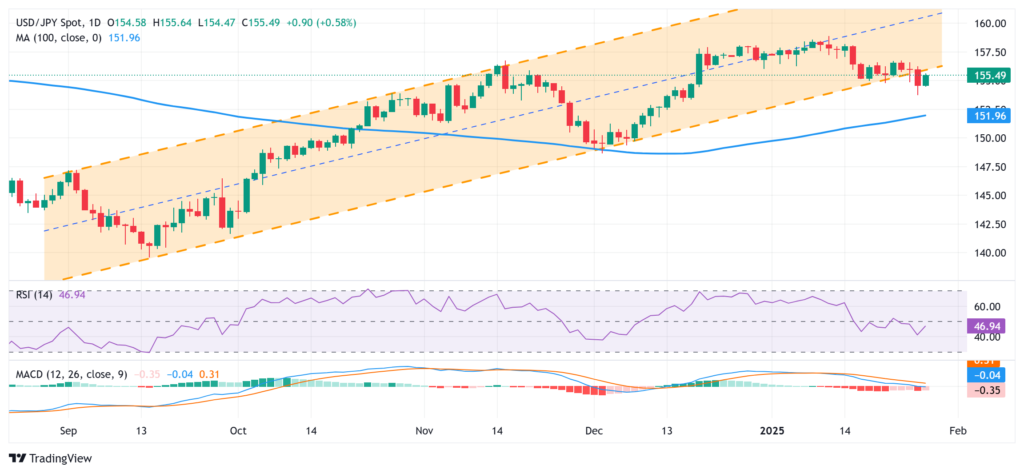
Adding to the yen’s weakness, Federal Reserve policy expectations continued to support dollar strength, as markets priced in the likelihood of higher-for-longer interest rates. Meanwhile, the Bank of Japan’s ultra-loose policy stance has kept the yen under pressure, with no immediate signs of a shift toward tightening despite concerns over currency depreciation.
The policy divergence between the Federal Reserve and the BoJ remains a key factor keeping the yen on the defensive. If Trump’s tariff rhetoric escalates, the dollar could extend its gains, making it harder for the yen to recover without intervention from Japanese policymakers.
For now, the yen remains under pressure, with traders watching for further developments in U.S. trade policy and signals from the BoJ on any potential response. Until a clear shift emerges, the yen’s path will likely be dictated by broader market sentiment and U.S. dollar demand.