







The Japanese yen saw an uptick following the Bank of Japan’s (BoJ) decision to raise interest rates, which sparked renewed optimism for the currency. The rate hike, aimed at addressing inflationary concerns, has positioned the yen as a potential beneficiary of tighter monetary policy. As traders reacted to the BoJ’s move, the yen gained strength, reflecting shifting market expectations.
The spotlight now shifts to upcoming PMI data, which will offer insights into the economic health of key global markets. These Purchasing Managers’ Index (PMI) reports are critical indicators of economic activity, particularly in manufacturing and services sectors. A strong PMI could fuel further support for the yen, while weak data might dampen expectations and prompt a pullback in its recent gains.
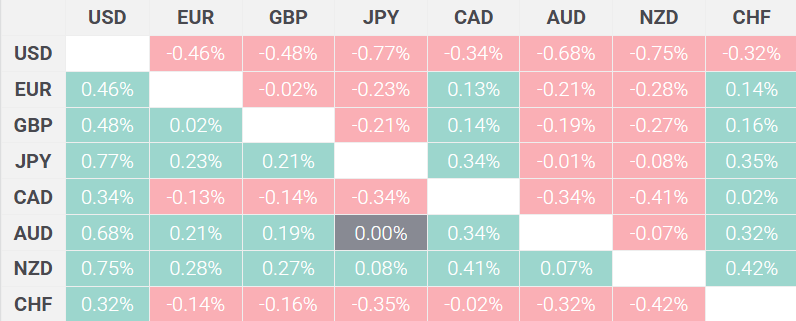
As traders digest the BoJ’s rate hike, there is a growing sense of caution in the markets. The yen’s recent strength is a reflection of market sensitivity to the Bank of Japan’s actions, but the broader economic data will likely be the next key driver for the currency. Investors are monitoring the impact of the BoJ’s decision on future currency flows and the yen’s stability in the face of global economic uncertainties.
With PMI data expected to influence sentiment, the focus remains on whether the yen can maintain its momentum. The combination of domestic policy moves by the BoJ and external factors such as global economic health will shape the currency’s trajectory. Traders will be watching closely to see if the yen can sustain its upward movement or if other global factors shift the balance.