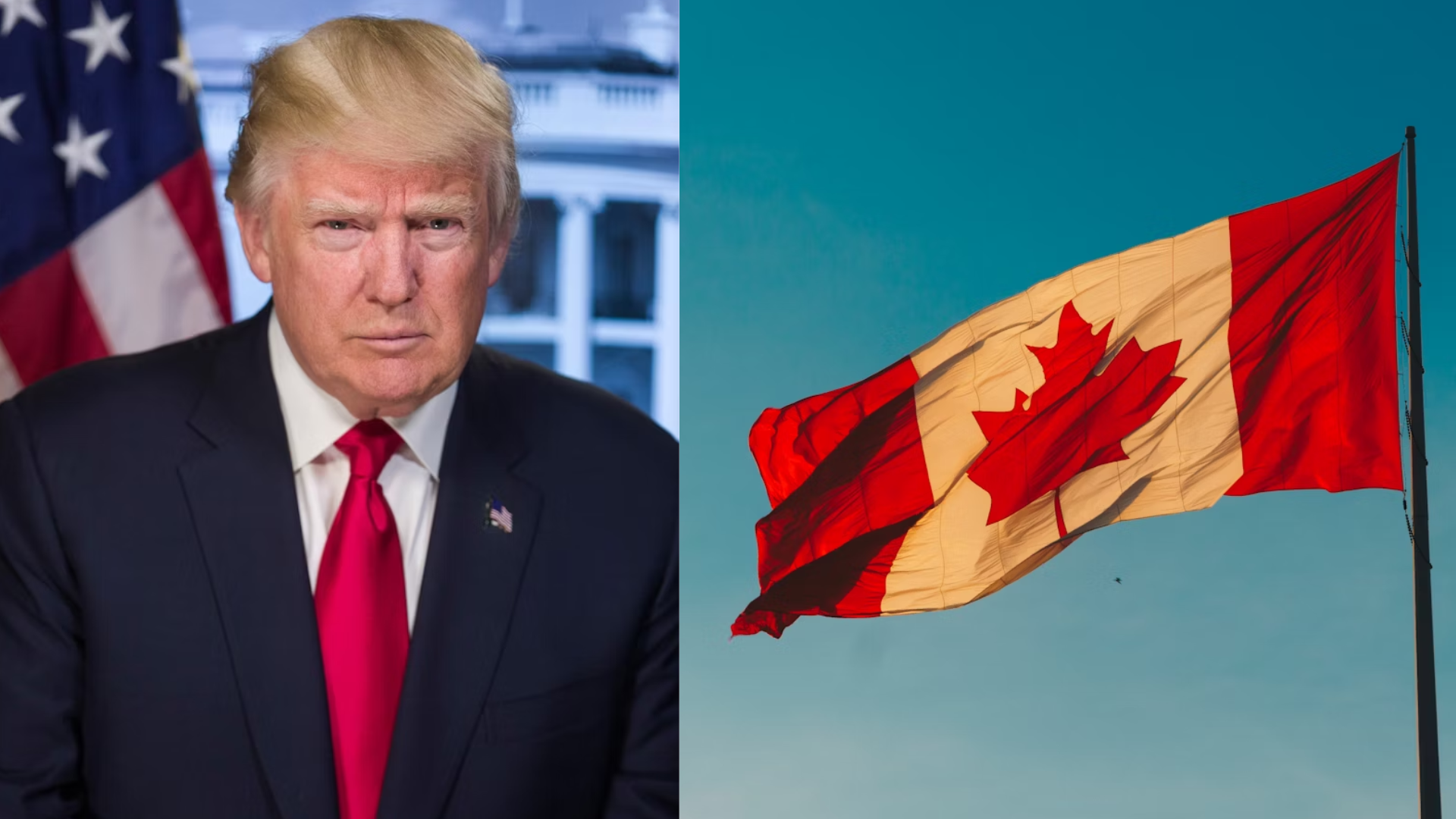







The EUR/USD fell to near 1.0400, pressured by renewed trade tensions as former President Donald Trump threatened fresh tariffs on European goods. The comments heightened concerns over transatlantic economic relations, leading to a selloff in the euro against the U.S. dollar, which gained strength as a safe-haven asset.
Adding to the euro’s woes were dovish expectations for the European Central Bank (ECB). Market participants anticipate a cautious policy outlook as the region faces sluggish economic growth and subdued inflation. This sentiment has placed additional pressure on the euro, which has struggled to regain footing in recent sessions.
Traders are now focusing on potential responses from European policymakers to Trump’s remarks, as well as any signals from the ECB regarding future rate moves. A lack of aggressive action from the central bank could further undermine the euro, which remains vulnerable to external shocks and internal weaknesses.
The combination of geopolitical tensions and monetary divergence has created a challenging environment for the euro. Unless a shift in market dynamics emerges, the EUR/USD is likely to remain under pressure, with the 1.0400 level serving as a key psychological threshold.