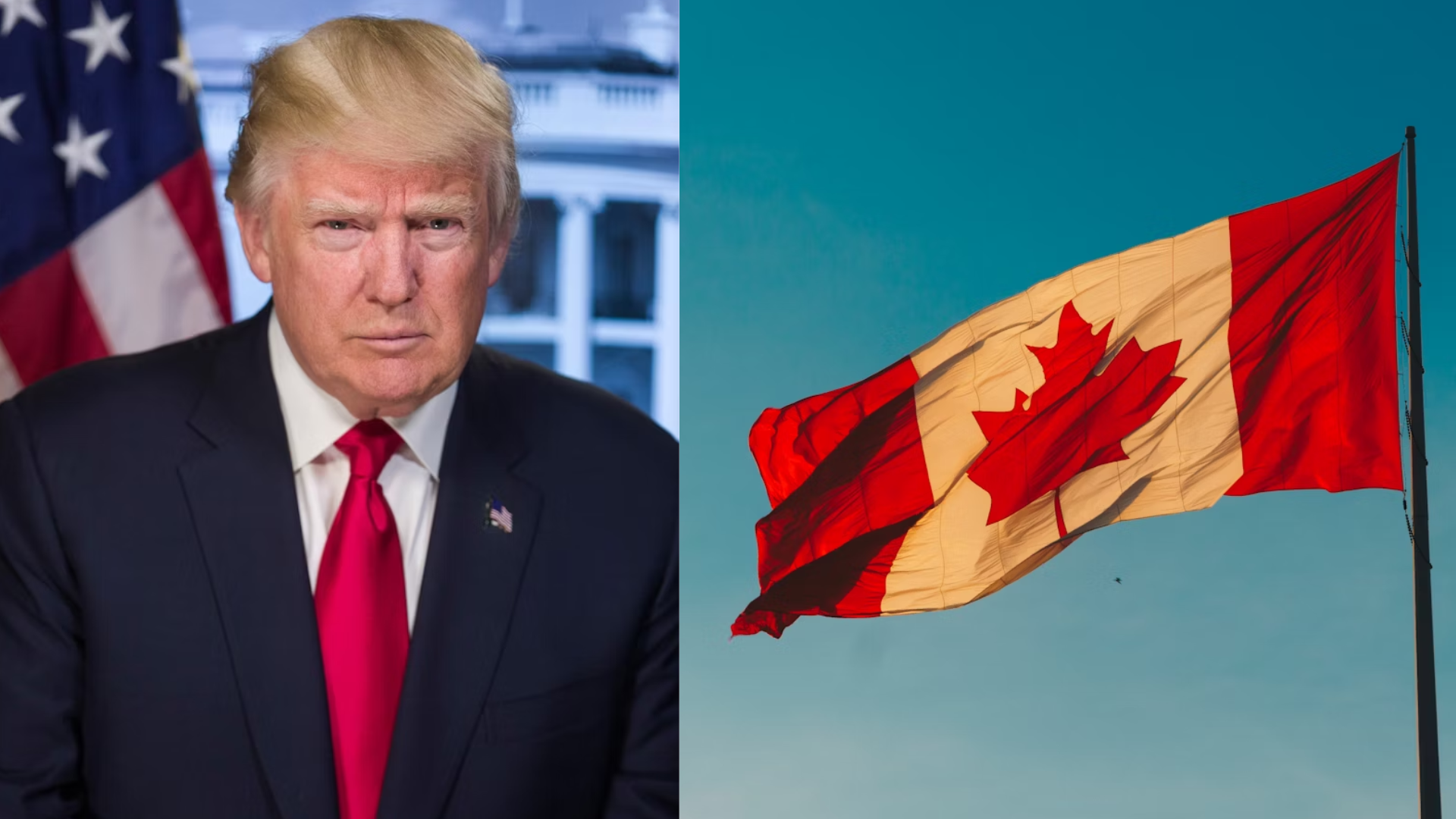






The Australian dollar weakened as U.S. President Donald Trump proposed a new 10% tariff on Chinese imports, reigniting trade tensions between the world’s two largest economies. This move heightened investor concerns, leading to a risk-off sentiment in the market. The currency, often seen as a proxy for Chinese economic health, experienced selling pressure as traders sought safer assets.
Market analysts noted that Trump’s tariff proposal added uncertainty to global economic recovery efforts. The announcement also dampened demand for commodities like iron ore, a key Australian export, further pressuring the Australian dollar. The greenback, meanwhile, strengthened as investors moved into safe-haven currencies amid the escalating geopolitical risks.
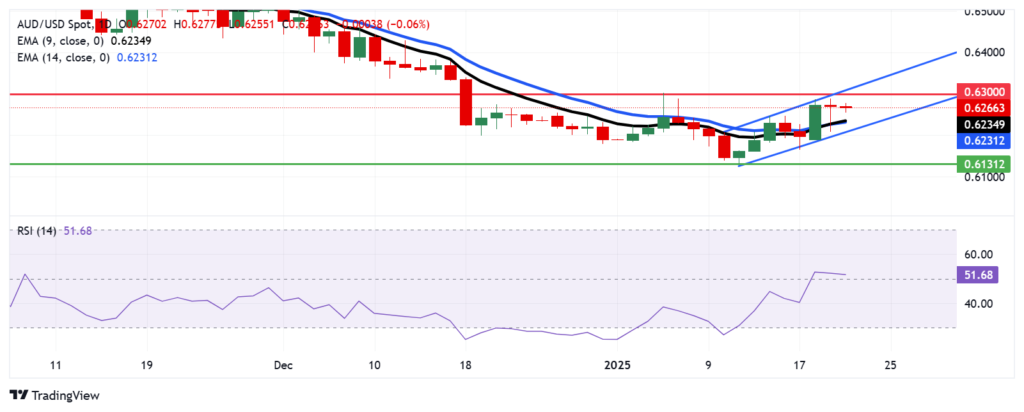
China, Australia’s largest trading partner, plays a pivotal role in the Australian economy. Any disruption in trade relations directly impacts Australia’s economic prospects. Analysts warn that prolonged tensions could further weigh on the Australian dollar, especially if retaliation from China worsens the situation.
The Australian dollar’s immediate support levels are being closely monitored by traders. Without a resolution to the tariff dispute, the currency may face continued downward momentum. The market’s focus now shifts to upcoming U.S.-China talks, which will likely dictate the direction of global risk sentiment.