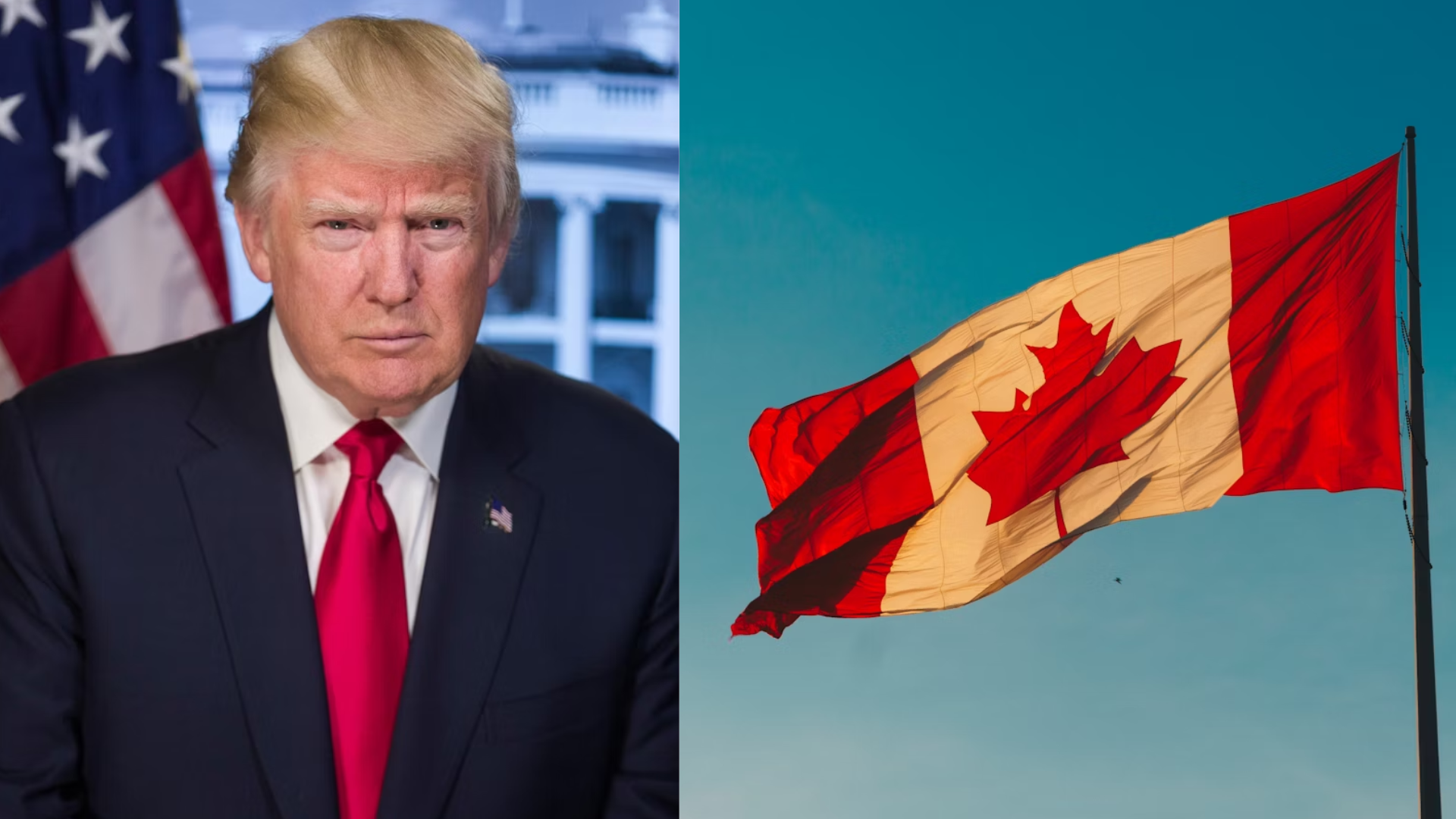






The Australian dollar edged lower amid renewed trade tensions, as the Trump administration weighed imposing additional tariffs on Chinese imports. Market sentiment turned cautious following reports of possible policy changes aimed at addressing ongoing trade imbalances. This shift prompted investors to retreat from risk-sensitive currencies like the Australian dollar.
The proposed tariffs added to concerns over slowing global trade, with potential ripple effects on commodity-driven economies such as Australia. China, being Australia’s largest trading partner, is a critical driver of demand for Australian exports. Any escalation in trade disputes could weigh heavily on the Australian economy, further pressuring the currency.
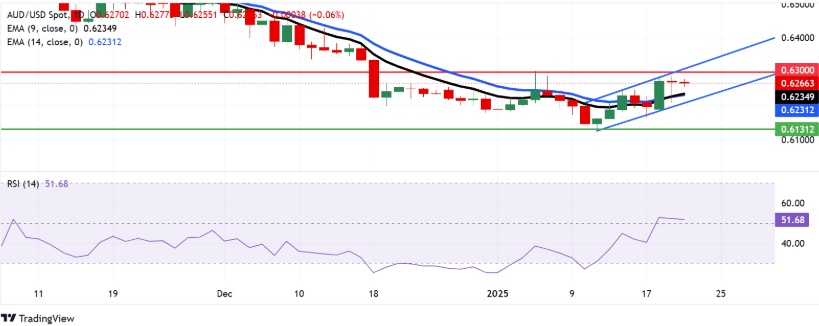
The US dollar, meanwhile, gained strength as investors sought safe-haven assets amid growing uncertainty. The stronger greenback compounded the Australian dollar’s decline, with the currency failing to find support despite stable domestic economic indicators. This divergence underscores the broader impact of geopolitical risks on currency markets.
As traders assess the implications of these potential tariffs, attention will remain on US-China trade developments and their impact on global markets. The Australian dollar’s trajectory will likely hinge on further clarity regarding the Trump administration’s trade strategy and its effects on commodities and risk assets.