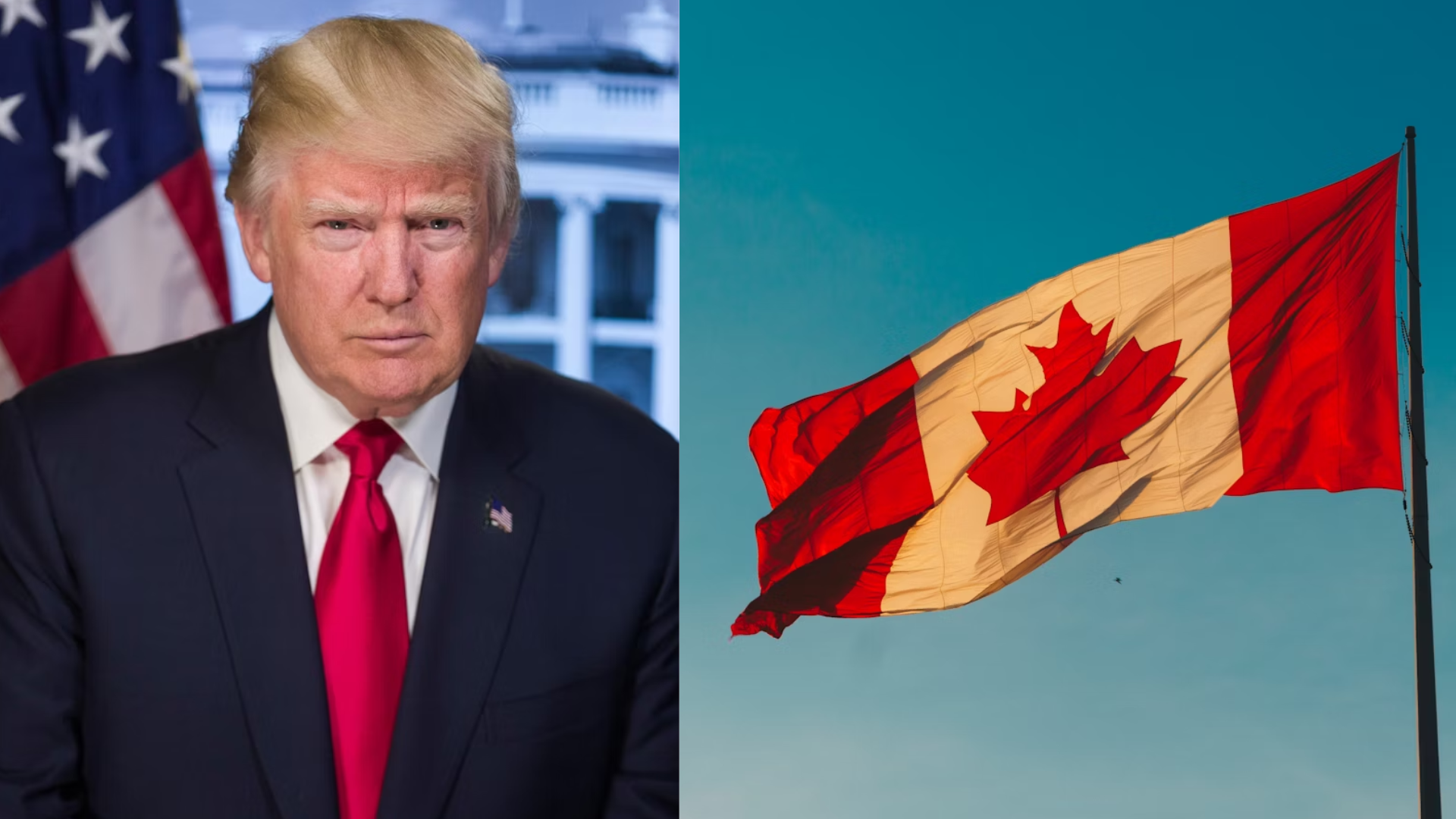






Bank of England official Michael Greene expressed uncertainty about how potential Trump tariffs could impact inflation in the UK. Speaking at a recent event, Greene acknowledged the potential risks posed by global trade disruptions but cautioned that predicting their effect on UK price pressures is difficult. With tariffs being a central issue in international trade, their broader economic consequences remain complex and highly speculative.
While the UK economy faces mounting pressures, including the ongoing challenges of Brexit, Greene noted that tariffs could contribute to higher import prices. However, the magnitude of this inflationary effect would depend on various factors, such as the scale of tariffs imposed and how businesses adapt to new trade conditions. Economic analysts have long debated the mixed impact of such tariffs on domestic inflation rates.
Greene also emphasized the uncertainty in how markets would respond to tariff changes, pointing to the lack of clear historical precedents. The potential for volatile market reactions is particularly concerning for the Bank of England, which is already navigating the delicate task of managing inflation against a backdrop of slower growth. Any significant shift in inflationary expectations could force the BoE to rethink its current monetary policy approach.
Ultimately, the global trade environment remains in flux, with UK policymakers closely watching US actions on tariffs. Although Greene’s remarks highlighted the uncertainty of predicting economic outcomes, they serve as a reminder of the challenges faced by the BoE in responding to shifting international dynamics. As such, the impact of future US tariff decisions on the UK remains an open question, one that will unfold over time.